THE WELLNESS FACTORY- Part 1

I know wellness well.
From the age of nineteen I embarked on what today would be described as a “wellness” lifestyle.
This was back in the early 80’s, the age of the “gym bunny” and jogging. Jane Fonda had just released her wildly successful exercise tapes, and I worked part time at a Health Club in order to have membership privileges.
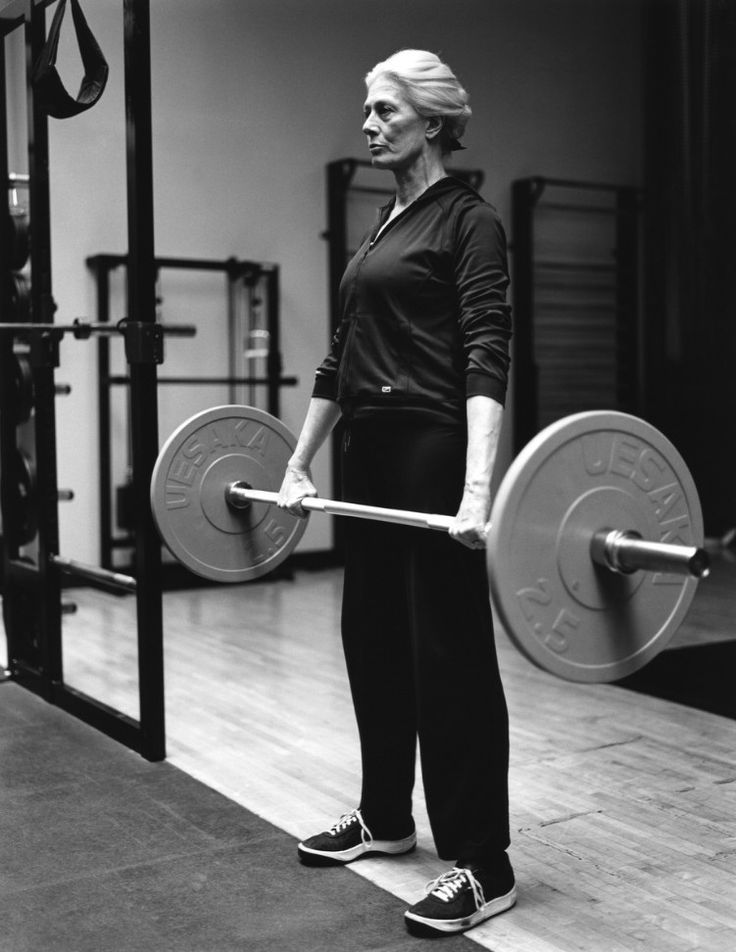
Five nights a week you could find me “pumping iron” on the Nautilus machines, riding nowhere on the stationary bicycle, or jumping up and down in high voltage calisthenics class.
Sometimes I played racquetball and afterwards relaxed in the steam room or booked an hour-long Swedish massage.
This was the beginning of the “me” generation—the generation in which I came of age.
However, my introduction to wellness had begun years earlier.
Wellness arrived in my life via my mother, who was a devoted fan of the beauty and fitness guru Gaylord Hauser and who made weekly trips to the local Health Food Store. There, I would peruse the products as I stood along her side.
I remember my mother purchasing carob powder to use as a chocolate substitute, evening primrose oil, and the blue-green algae known as spirulina.
I can still picture her tossing a handful of Swiss Kriss herbal laxative into a pot of boiling water, part of her facial cleansing routine, or practicing her Lotte Berk method, a combination of dance, orthopedic exercises and Hatha yoga.
By the time I was a teenager, while other teens might have been experimenting with drugs, I began experimenting with vegetarianism, yoga, and meditation.
At the age of twenty, I purchased a copy of Life Extension: A Practical Scientific Approach, the bible of anti-aging science that became a bestseller. On its pages I found recommendations for ways to “beat the clock” and read about things like subversive free radicals, and neurotransmitters.
I began popping handfuls of supplements, drinking wheatgrass juice, and practicing pranic breathing at the Himalayan Institute in lower Manhattan.
You could often find me lunching at the Ginseng Center that was located on 5th Avenue, where they served Mulligatawny soup with a side of Royal Jelly ampoules.
I found a group of friends who were self-administering B12 shots.
In those days, wellness was still considered a fringe phenomenon. It was on its way to gaining mainstream traction, but remained something practiced by relatively few.
Finding an integrative doctor to administer vitamin shots, or an acupuncturist to rebalance your adrenals, wasn’t just a few clicks away. Manhattan didn’t yet have juice bars, yoga studios, and vitamin shops on every other corner.
There were no online cleanses. There was no Goop.
Today, “wellness” is a global industry valued in the billions that includes everything from tourism to alternative medicine. There are wellness retreats, vacations, courses, and conventions. There are therapies, treatments, and classes.
A recent article in New York Magazine mentions the “Wellery” recently opened in Saks Fifth Avenue where shoppers can “can experience aroma and light therapy in a glass filled booth with salt, or get plugged into a meditation app during a manicure.”
You don’t have to look far. Wellness is wherever you are.
When I think back to my younger self, already on the front lines of this trend, I question what I was seeking at the time. Was it the promise of longevity, vitality, and good health? Was I already tuned in to the anxieties of modern life, perhaps via my mother?
After my mother died of a brief and sudden illness at the age of 52, I found this written in one of her notebooks: Start breathing deeply, yoga to calm down, acu-pressure massage to get energy flowing again, body brush with seaweed.
I think about this more than ever as I see today’s wellness trend explode.
It makes me wonder, what is making us feel so unwell?
To be continued. . .

 Staying young and beautiful has never been easier, or more expensive. Exploring the high cost(s) of maintenance.